PortfolioUIUX Design
Game Interface APP
Project Summary
-
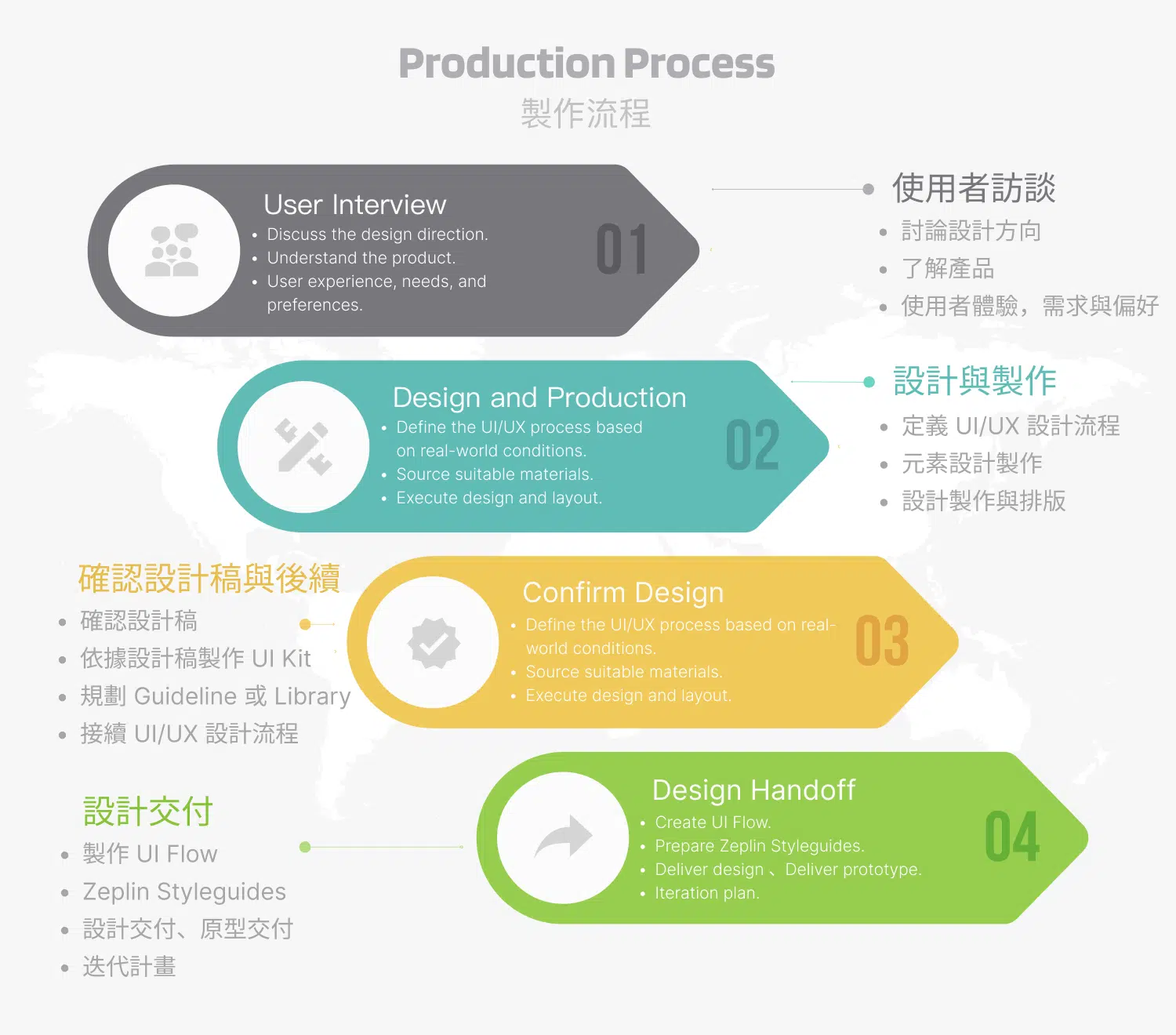
Client Requirement:
The client requested to refine the original UI/UX design into a cleaner and more polished style, while integrating a customized keyboard feature along with additional new functionalities. - Client: Paradise Game
- Project Scope: UI/UX Design, 3D Production, Prototype Development
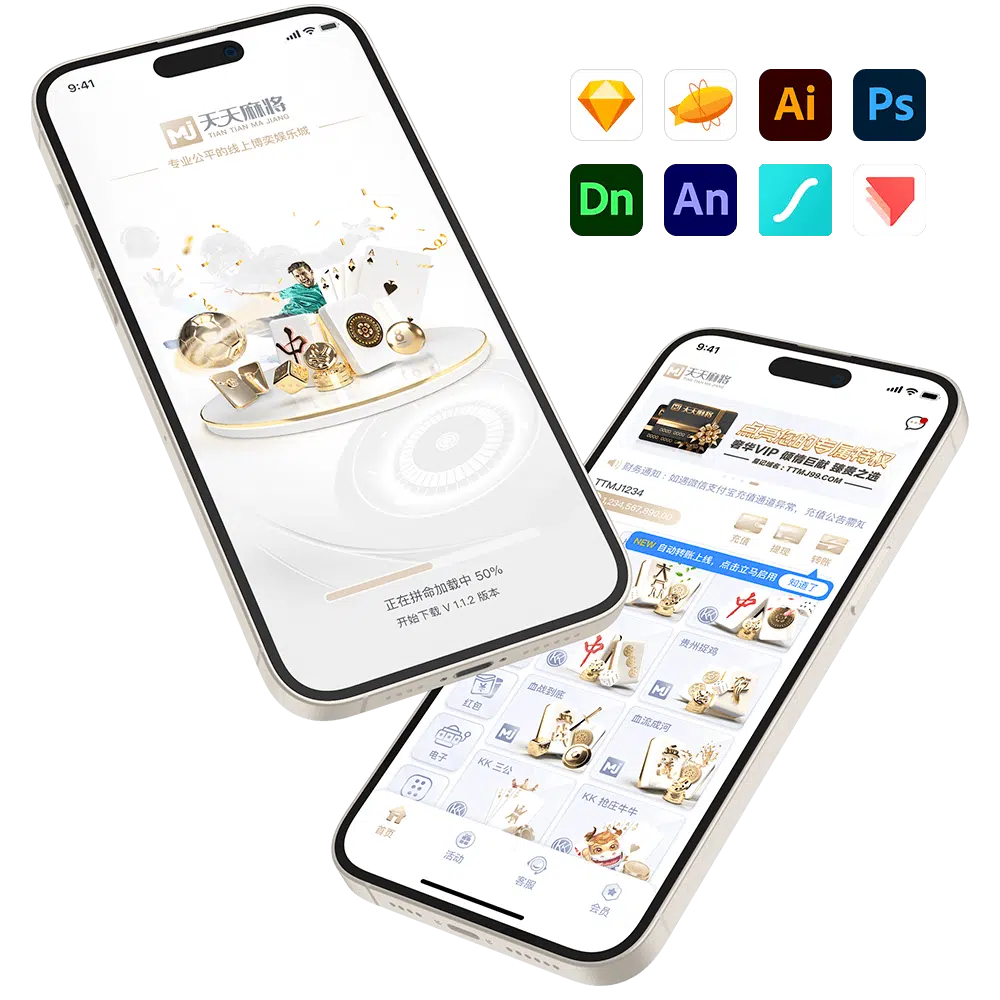
- Tools & Technologies: Sketch, Zeplin, Illustrator, Photoshop, Dimension 3D, Animate, Lottie, ProtoPie
-
Note:
According to the client, the game is licensed and launched only in countries where gambling is legal, and this project was undertaken as an outsourced production. The requirement was approved by the client and later developed into an app by their internal team.
Initial Version
To align with the version designed for the legal gaming market in Macau, the original “Tiantian Mahjong,” which previously featured a stronger gaming-oriented visual style, was redesigned using the same design language. At the same time, the existing design guidelines were retained to ensure consistency and professionalism across the overall visual style. Maintaining the same guideline system also helps improve development efficiency for the RD team.
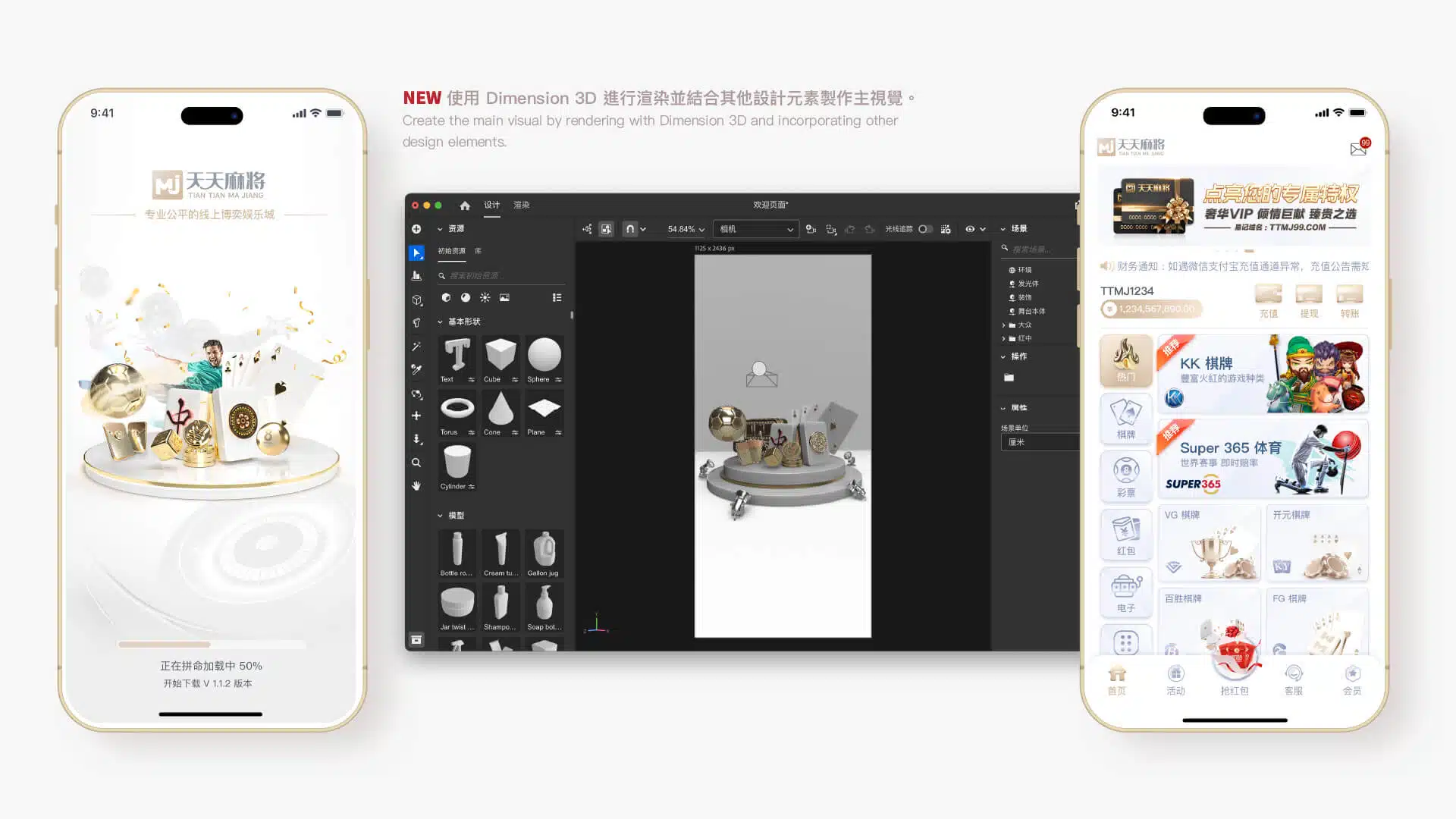
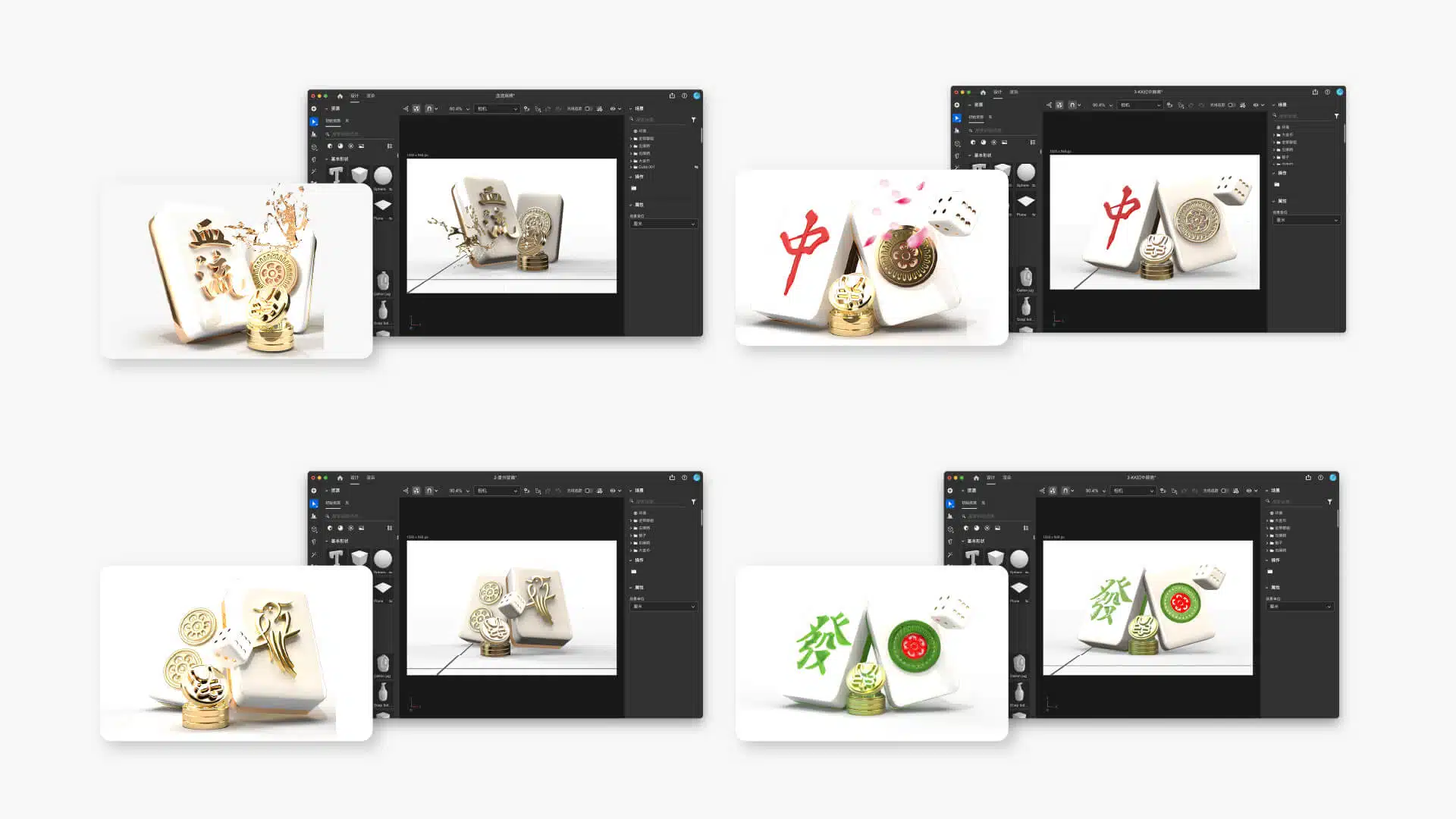
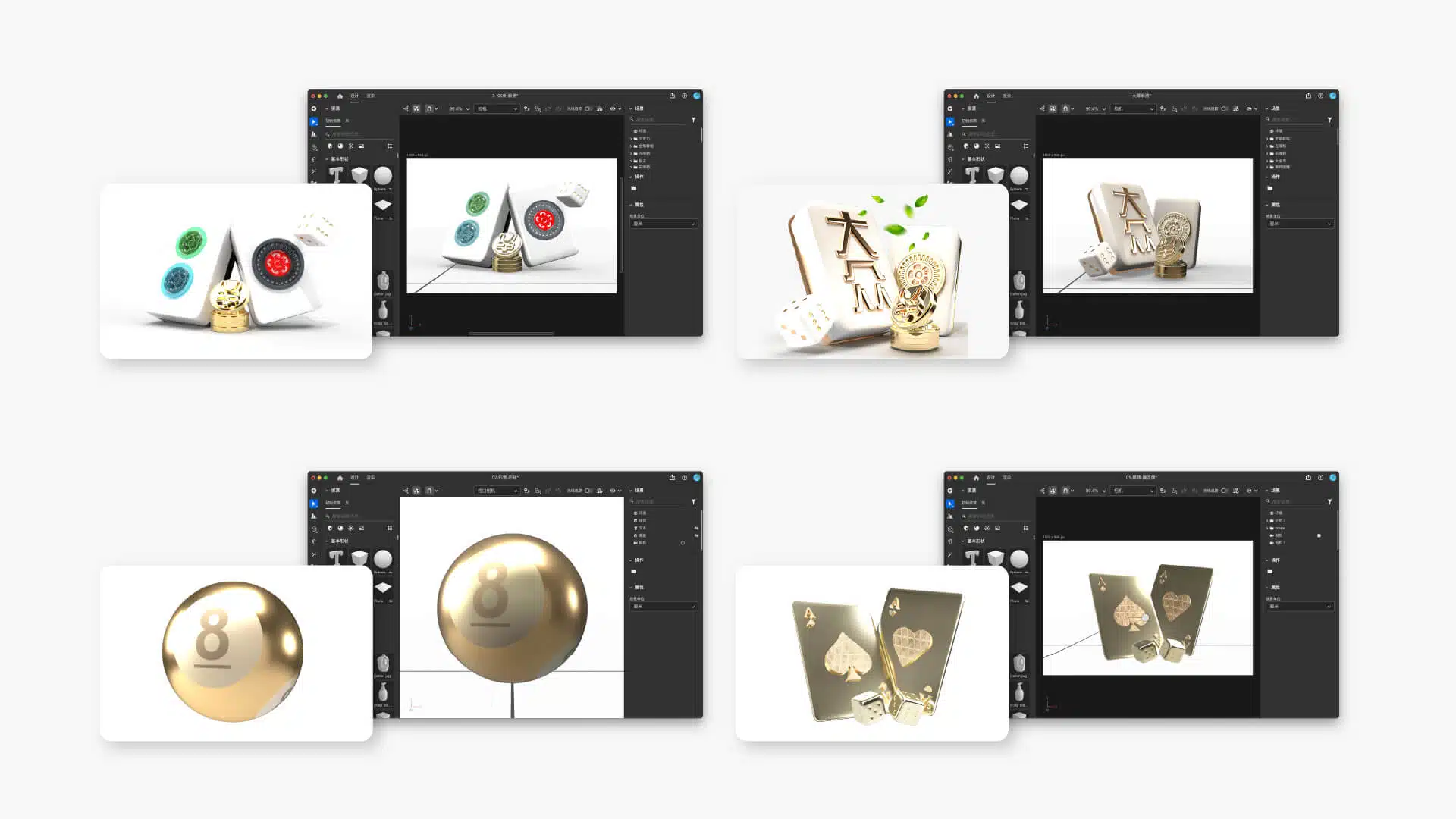
3D Key Visual Design
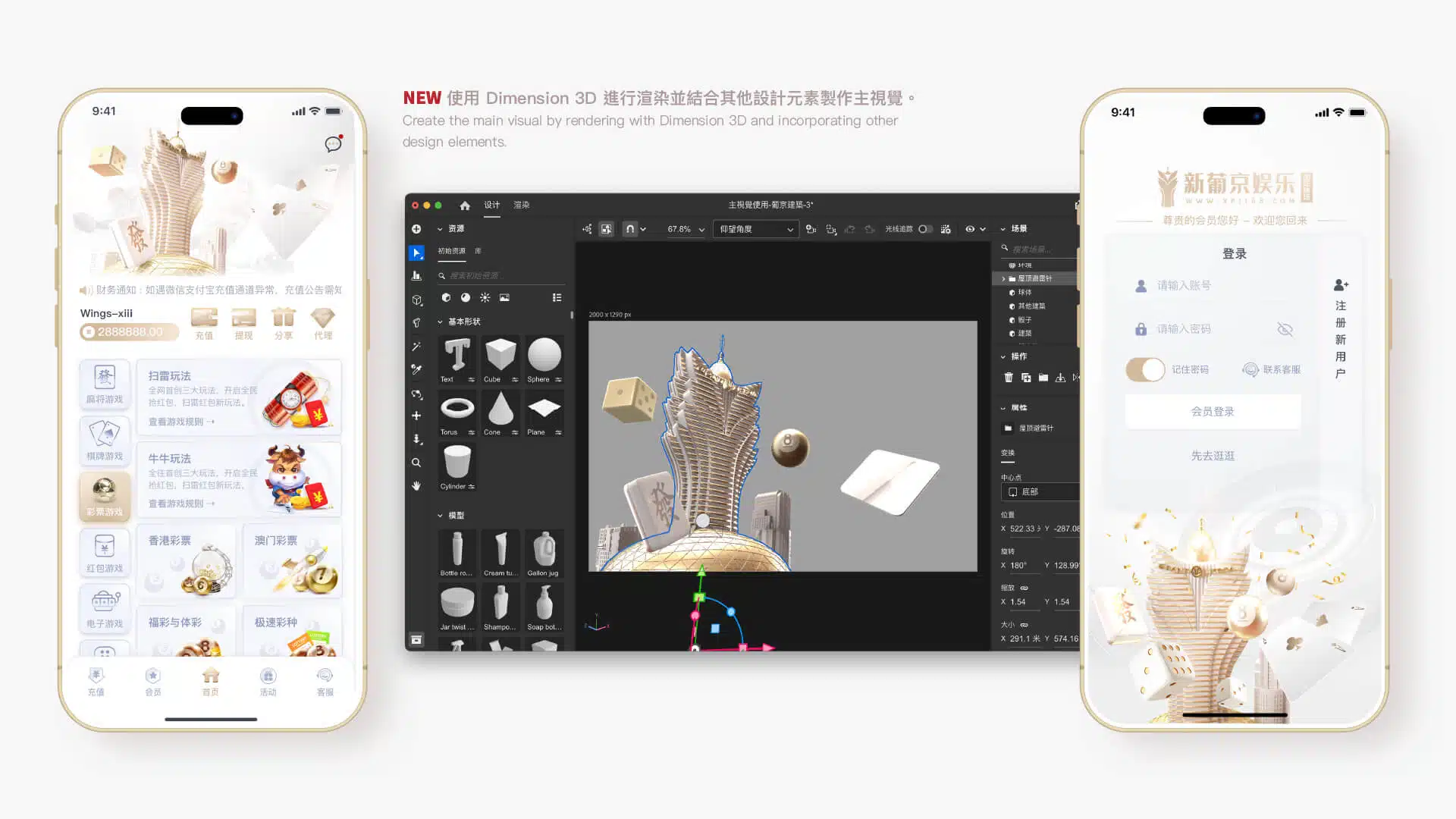
Using 3D technology to create key visuals provides stronger depth and dimensionality, making the visuals more vivid and attention-grabbing. Compared with traditional 2D design, 3D imagery can present richer details, enhancing visual layering and texture while highlighting the brand’s premium and modern identity.
At the same time, 3D design increases interactivity and leaves a stronger impression on users, helping to reinforce brand recognition. In a highly competitive market, 3D technology helps products stand out and shape a distinctive, forward-looking brand image.
Other Pages
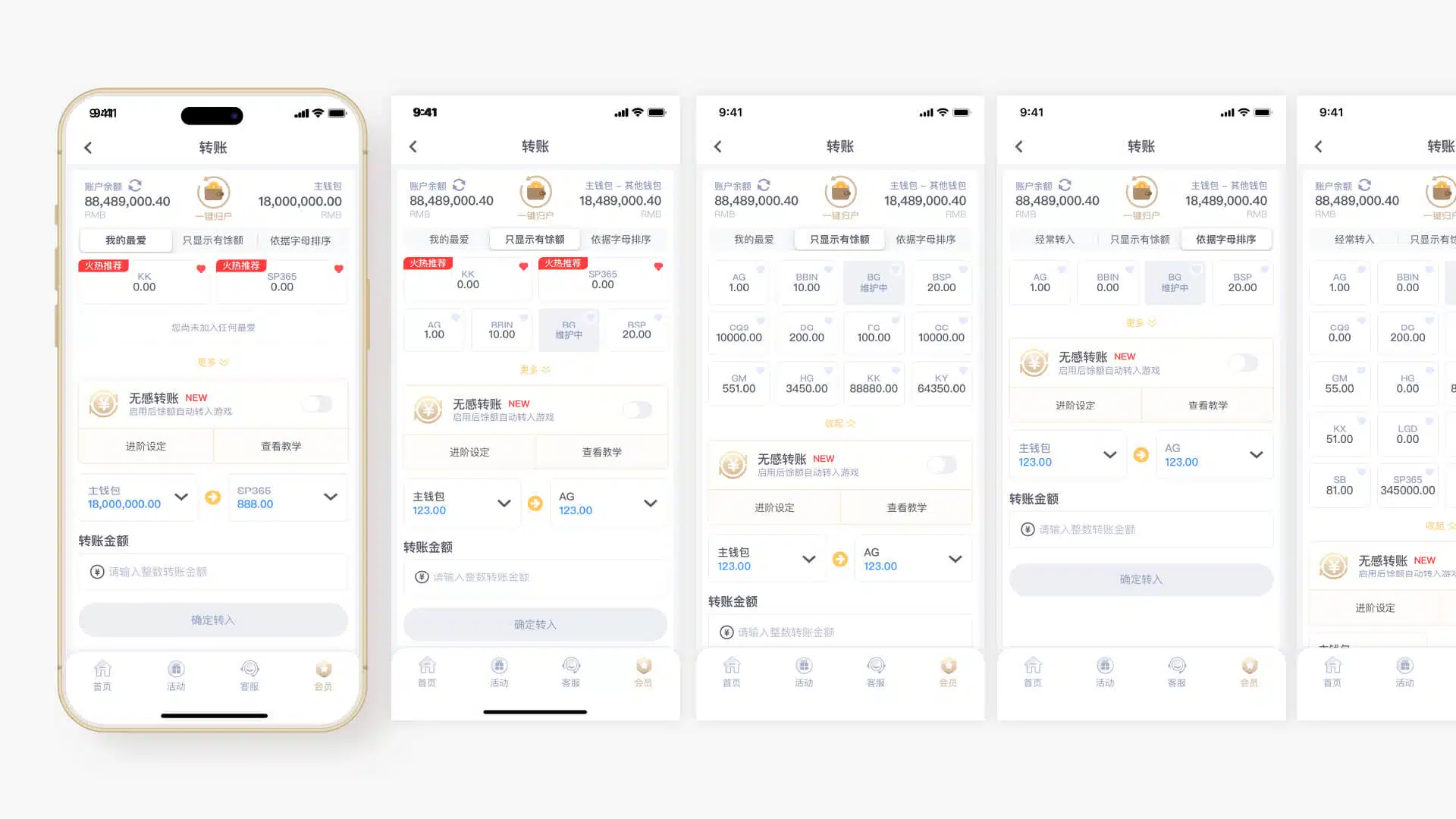
When users first enter the app, an introductory page for the “Seamless Transfer” feature is presented. A demonstration of the “Seamless Transfer” function is also included, along with a related prototype for reference.
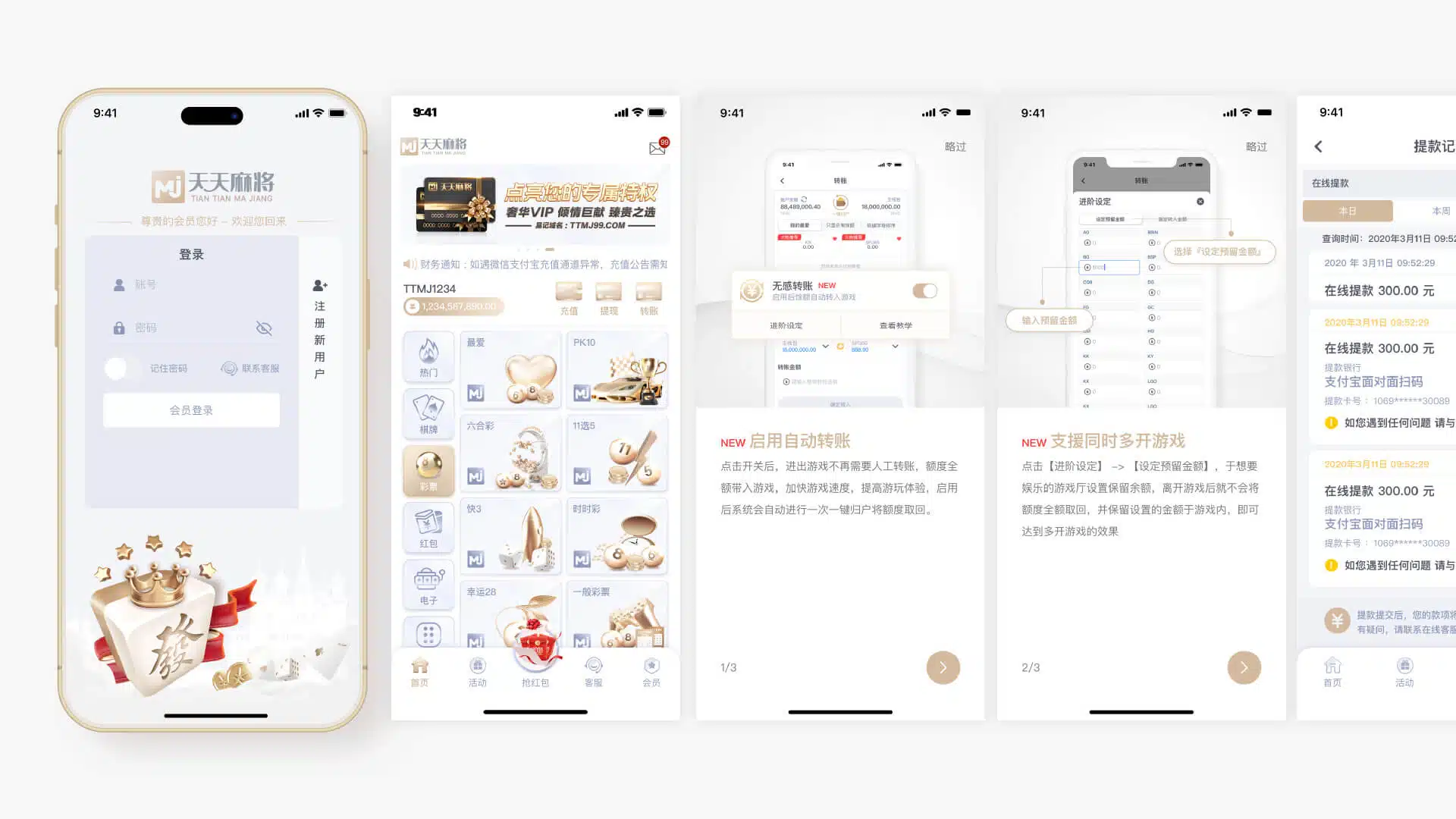
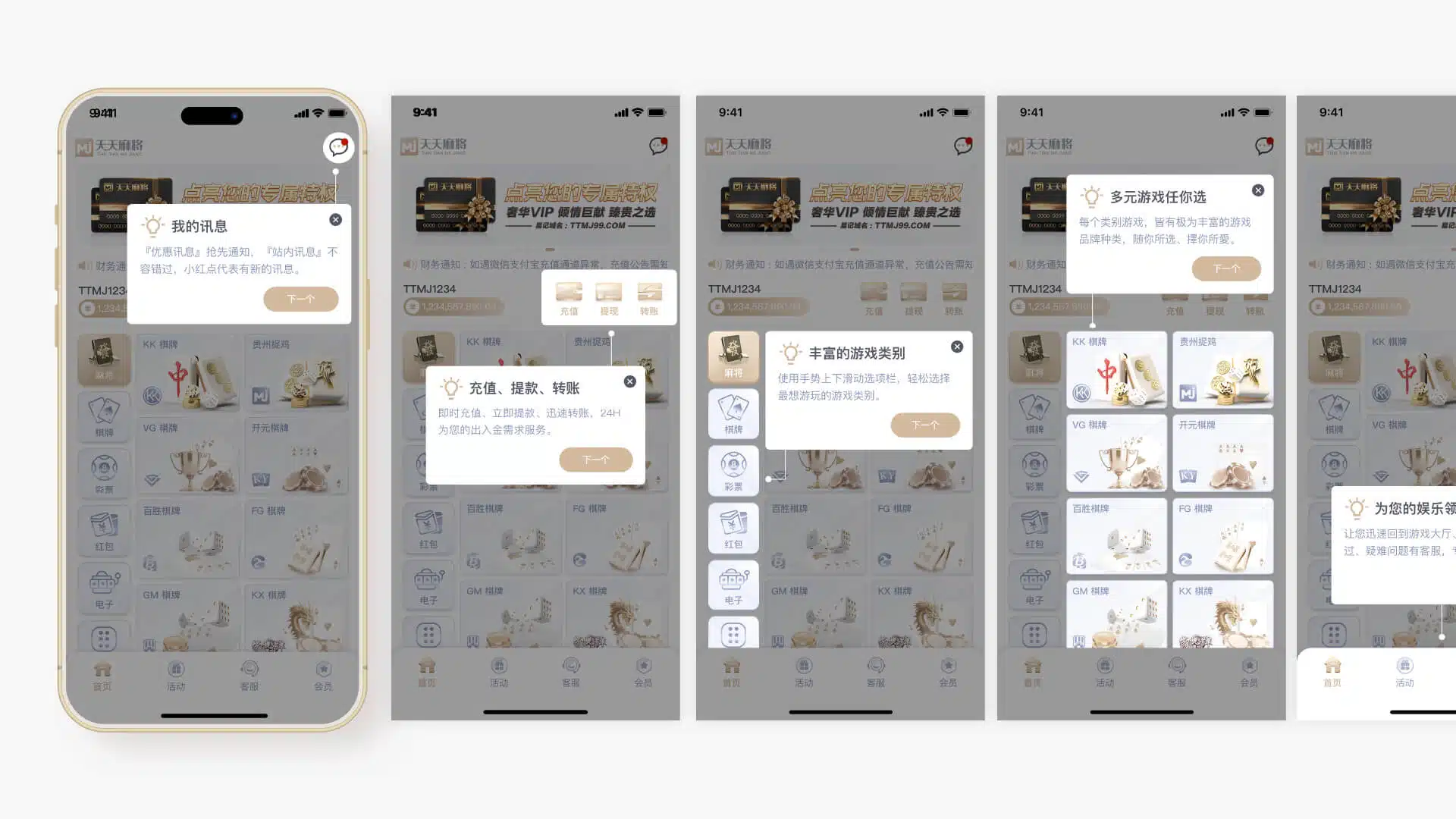
Added a “Tutorial Guide” feature.
In app UI/UX design, feature guidance plays an important role in improving the user experience, especially for first-time users. It clearly presents core functions and operational flows, helping users quickly become familiar with the app while lowering the learning barrier and preventing confusion or abandonment caused by unfamiliar interactions.
At the same time, clear and concise guidance builds user trust, improves satisfaction and retention, and reflects the brand’s professionalism and attention to detail.
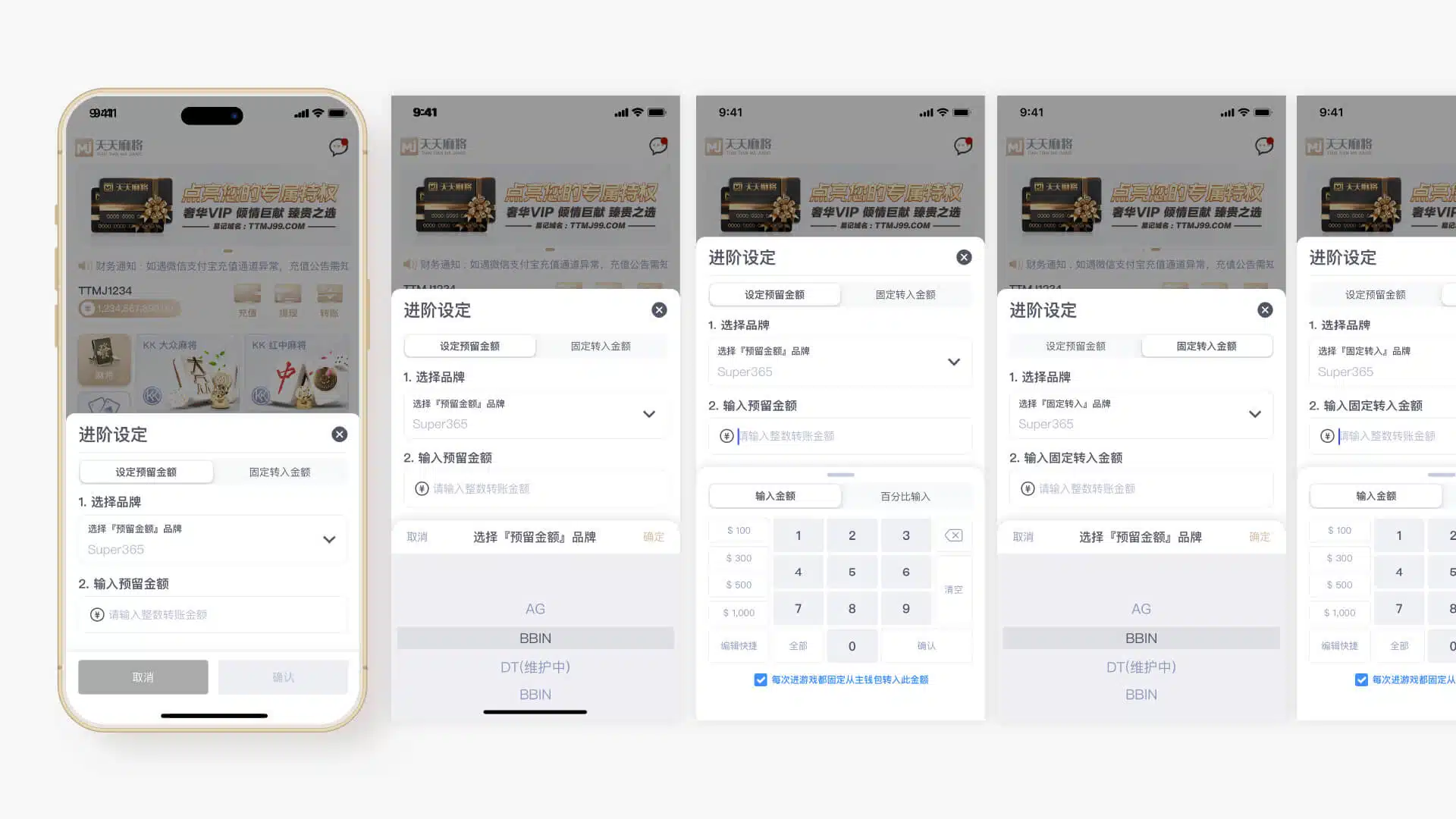
Add advanced settings to this feature.
The client’s product consists of multiple game brands. In the original system, when transferring game credits, the entire balance was automatically moved. As a result, when users switched between games (for example, from “Mahjong” to “Poker”), the previous game account balance would become zero.
To improve the user experience, a new feature was introduced that allows users to reserve credits within a designated game brand. This provides greater flexibility when switching between games and enhances overall convenience and satisfaction during gameplay.
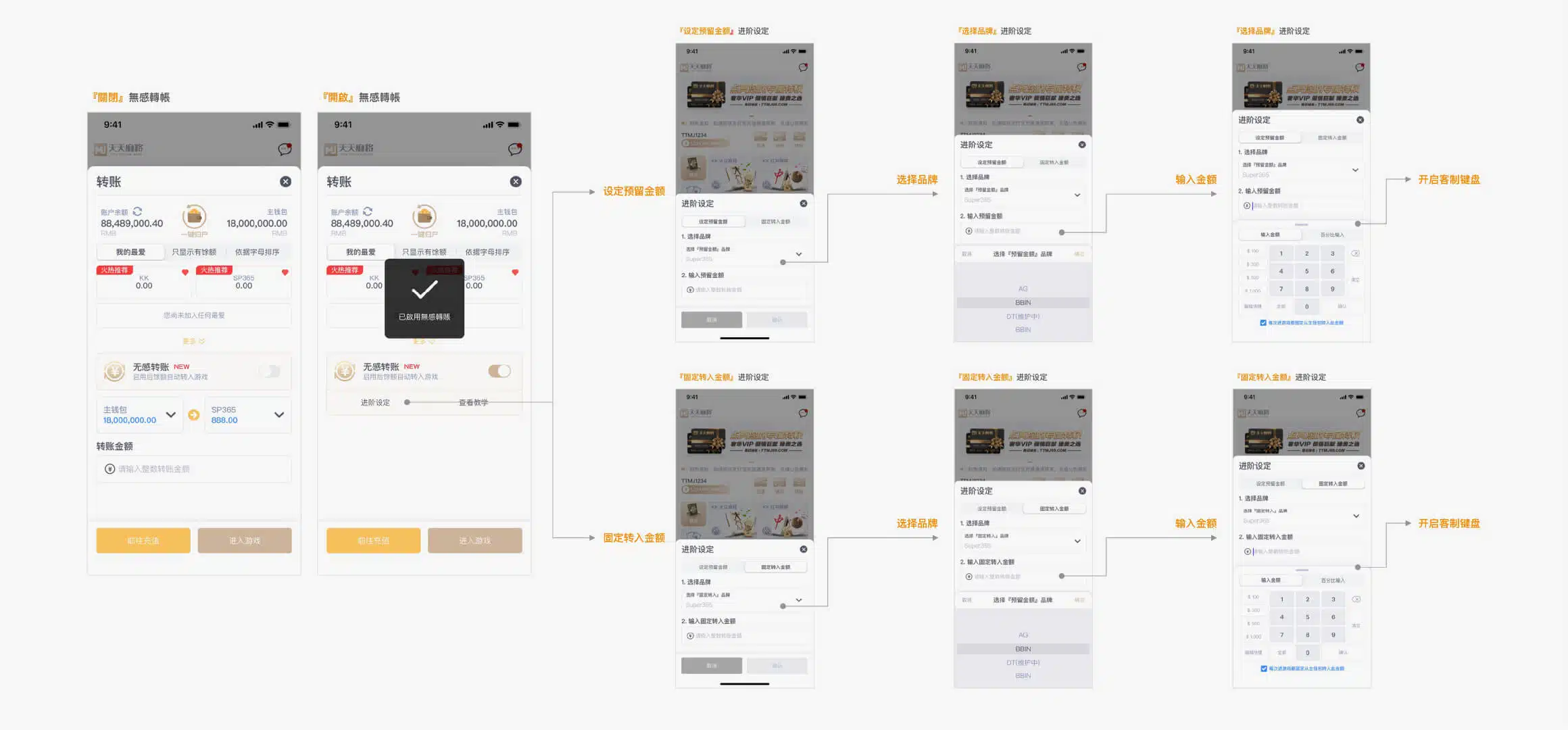
Part of the UI Flow
UI Flow clearly illustrates the complete user journey, helping the design team quickly understand feature logic and interaction patterns while reducing communication gaps between design and development.
It also helps identify potential issues in the workflow early, allowing teams to optimize the user experience and ensure the product is efficient, intuitive, and aligned with user needs.
Guidelines
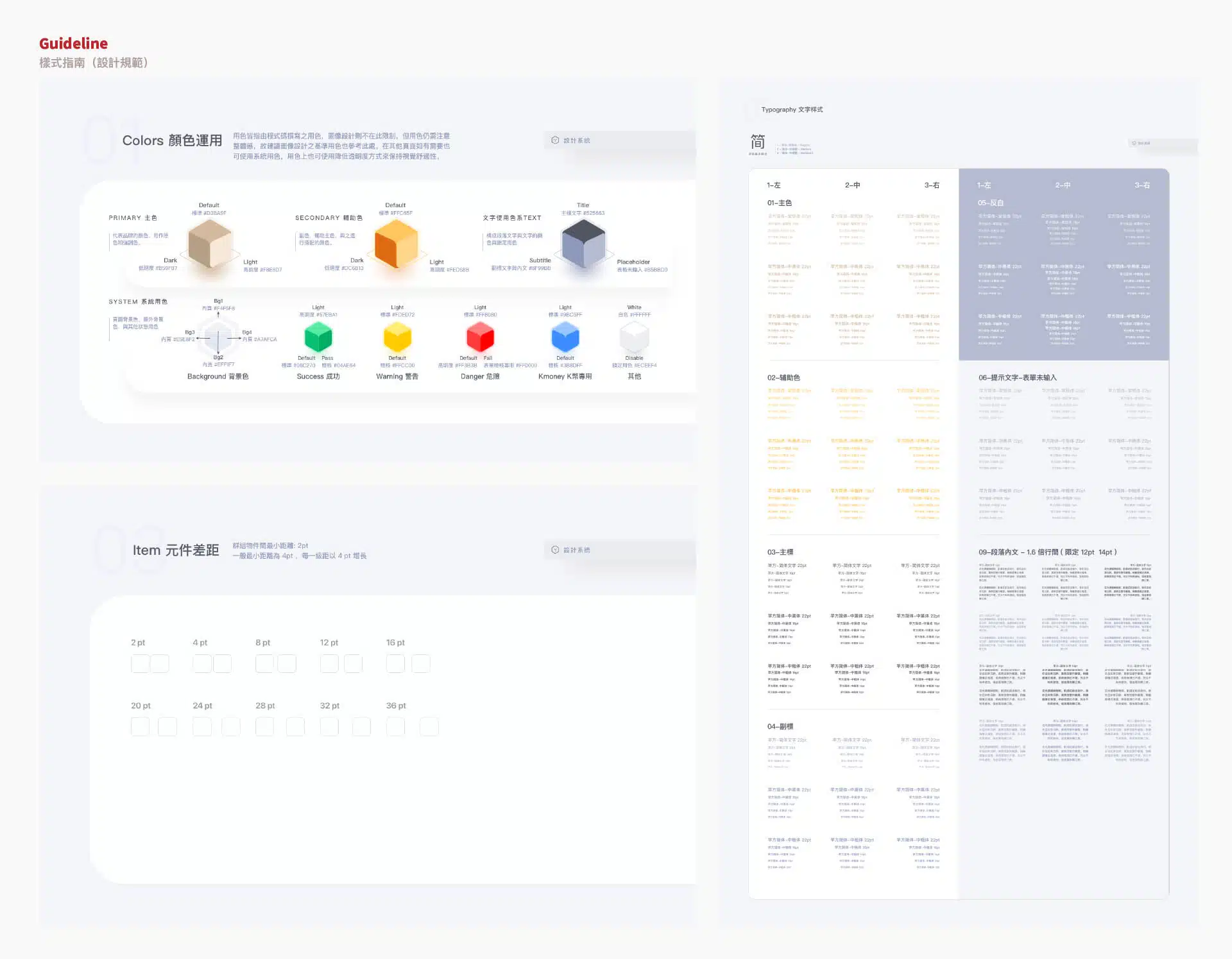
Creating a Guideline (design standard) is essential for the growth of both a brand and its products. It ensures consistency across design elements, strengthens brand recognition, and facilitates smoother collaboration among team members, reducing duplication and errors while improving overall efficiency.
A well-defined Guideline also provides a stable foundation for future brand expansion, maintaining a consistent visual identity across platforms. Ultimately, it helps build a professional and trustworthy brand image, ensuring that users experience a high level of quality every time they interact with the brand.