
Graphic
Design
Usability and aesthetics in balance — engaging, clear, and easy to use.
Design begins with a deep understanding of brand identity, ensuring the core message is delivered with clarity and direction aligned through close collaboration. It balances aesthetics with usability, creating work that is both engaging and practical. Technical precision is equally essential, with color modes, resolution, and production standards carefully executed.


① Requirements Discovery & Analysis
>>
⠿ Understand requirements, define style, gather insights
Every project begins with a deep understanding of requirements. Designers collaborate with clients or teams to clarify goals, target audiences, use scenarios, and visual direction. This stage also ensures all necessary assets—such as copy and imagery—are complete, while aligning on timeline and budget expectations. Any reference materials or brand guidelines are carefully reviewed at this stage.
② Concept Development & Initial Exploration >>
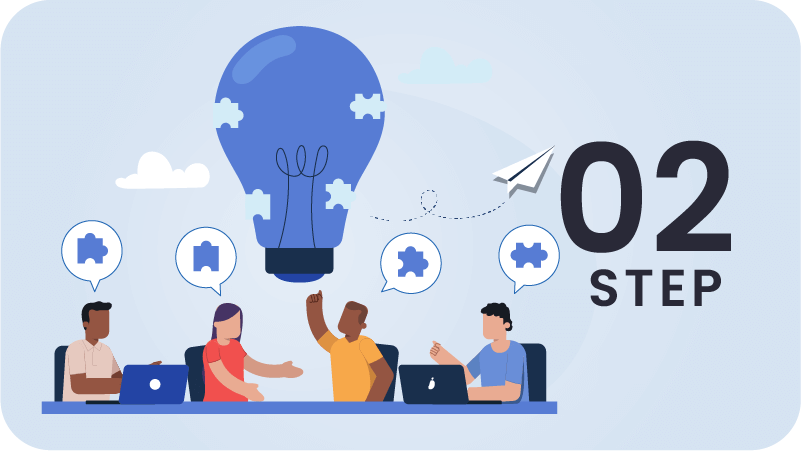
⠿ Competitor Analysis ⠿ Initial Design Sketches
Based on the initial analysis, designers explore multiple creative directions and develop several early concepts. Rough sketches or visual drafts are created to establish a clear framework for discussion. These concepts are reviewed with the client to confirm alignment, helping prevent major revisions later in the process.
③ Initial Design Draft >>
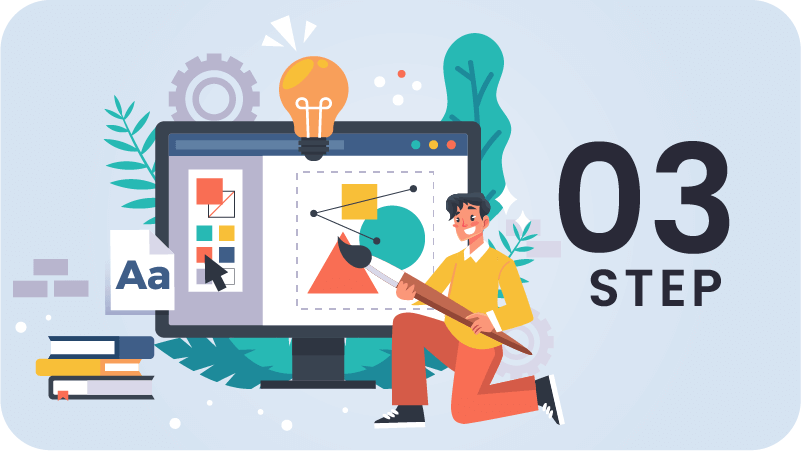
⠿ Design Guidelines ⠿ Visual Layout Planning
Once the concept is confirmed, the project moves into the initial design stage. Using professional tools such as Adobe Photoshop, Illustrator, or InDesign, sketches are refined into complete visual compositions. The focus is on layout, typography, color systems, and graphic elements. After completion, the draft is presented to the client or team for review.
④ Client Feedback & Revisions >>
⠿ Final Design Selection ⠿ Design Refinement & Adjustments
Based on client feedback, the initial design is refined and optimized. Adjustments may include typography updates, color revisions, or layout restructuring. Each piece of feedback is carefully addressed through close communication to ensure expectations are met. Multiple versions are often provided to support informed decision-making.
⑤ Final Design Approval & Proofing >>
⠿ Detail Proofing ⠿ Print Material & Method Selection ⠿ Pre-Press Inspection
Once the final design is approved, all details are carefully proofed to ensure accuracy in typography, proportions, and color consistency. The design is also reviewed against print or digital production requirements, with format and resolution adjusted as needed.

⑥ File Export & Delivery >>
⠿ Final Artwork Prepared According to Print Specifications
Once the final design is completed, files are exported in the required formats—such as print-ready PDFs, web-optimized JPEG/PNG files, or editable source files (e.g., AI or PSD) for development. All outputs are checked to meet technical standards, with every detail reviewed before delivery. The finalized assets are then handed over to the client or relevant teams, along with technical support for future application.

